Every Halden pan begins in a sand mould at a family foundry in Tipton, about a mile down the canal from our workshop. Ruth Halden drew the first pan in 2019. Her grandfather made wooden patterns for Black Country foundries, so the shape was in the family long before there was a pan to pour.
The foundry is a small place. On a pouring day the doors are open, the air tastes of hot sand and the light comes from the furnace. The team there has cast iron for decades. We are one of their regular jobs, not a large one, and that suits us.
From pattern to mould
A metal pattern is mounted on a board and packed with green sand, a mix of sand, clay and water that holds its shape. The moulder rams the sand around the pattern, lifts it out and cuts a runner and a pouring basin into the top. The two halves of the mould, the cope and the drag, are closed and clamped. The cavity left behind is the exact shape of the pan, handle and all.
Each mould is used once. When the iron is poured, the sand burns and fuses around the casting, and it is broken away afterwards. That is why sand casting can make a pan with an integral handle and no welds.
The pour
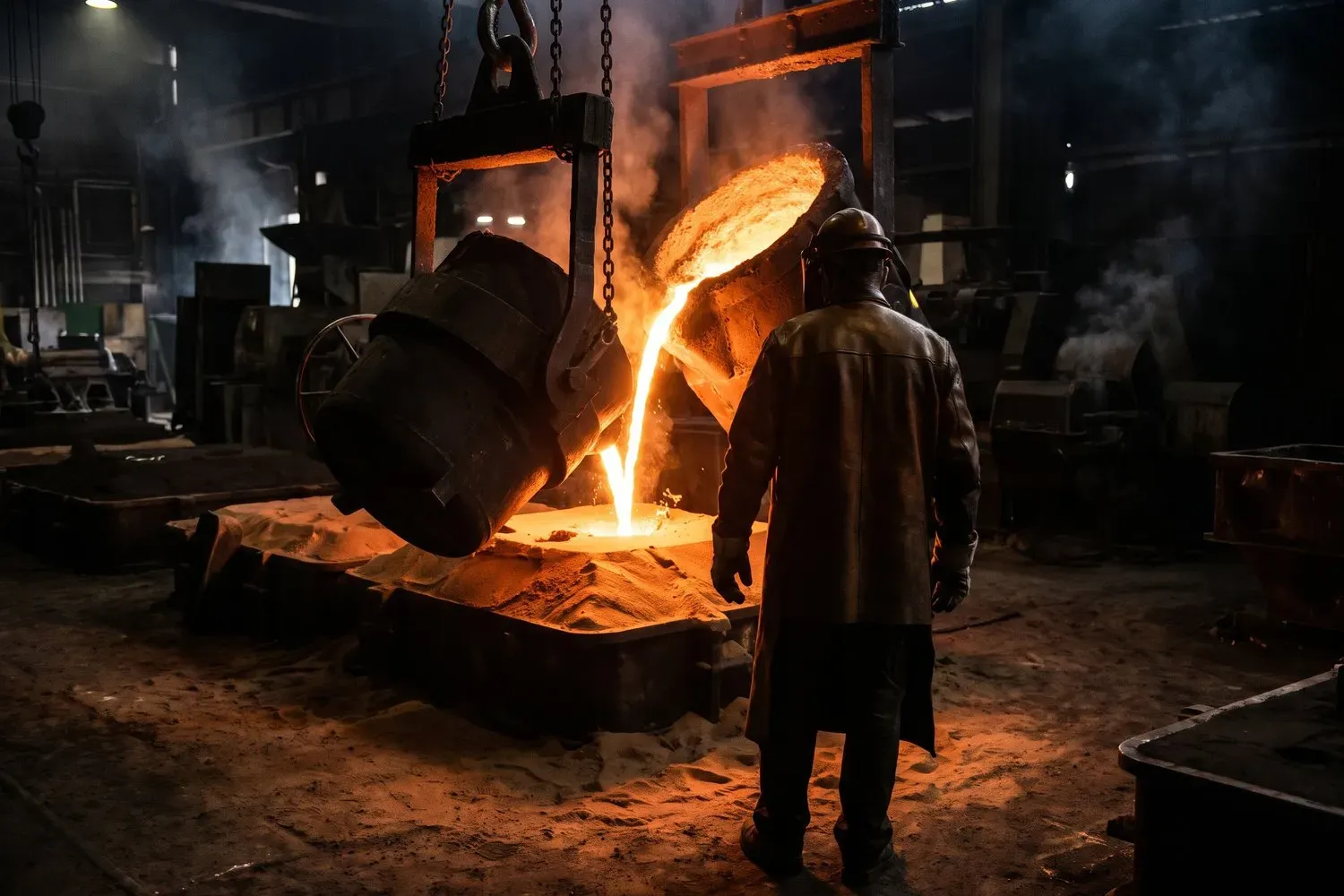
Iron is melted in a furnace and tapped into a ladle at around 1,400°C. A worker in a leather apron and a face shield carries the ladle to the mould and pours in one steady stream. The iron runs down the runner and fills the cavity from the bottom. Steam and a little flame come off the sand. The whole pour takes seconds.
The casting cools in the sand overnight. In the morning it is shaken out, and the runner and any flash are cut away. The pan comes out grey and rough, with the texture of the mould on its surface. It is recognisably a pan, but it is not yet ready to cook in.
Machining
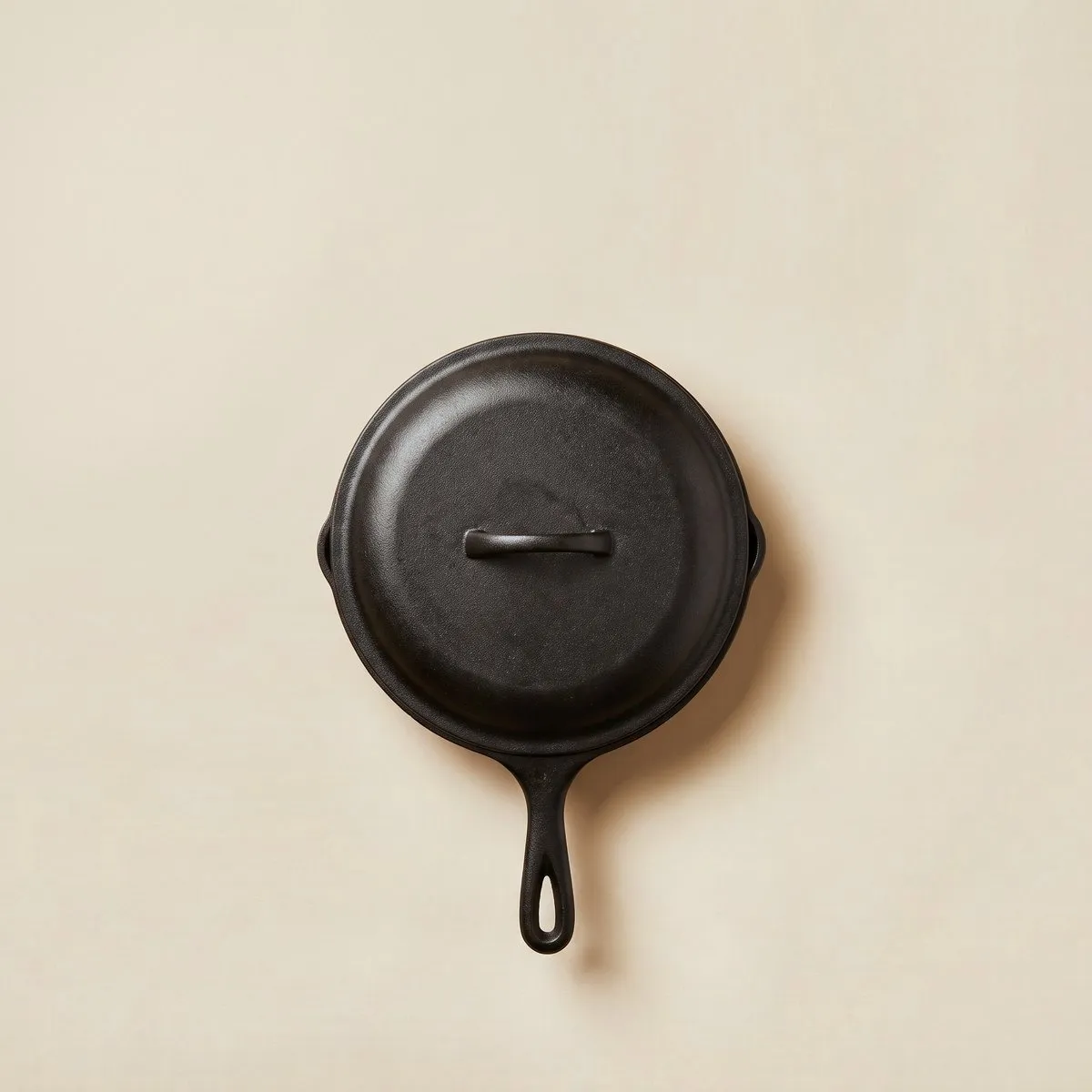
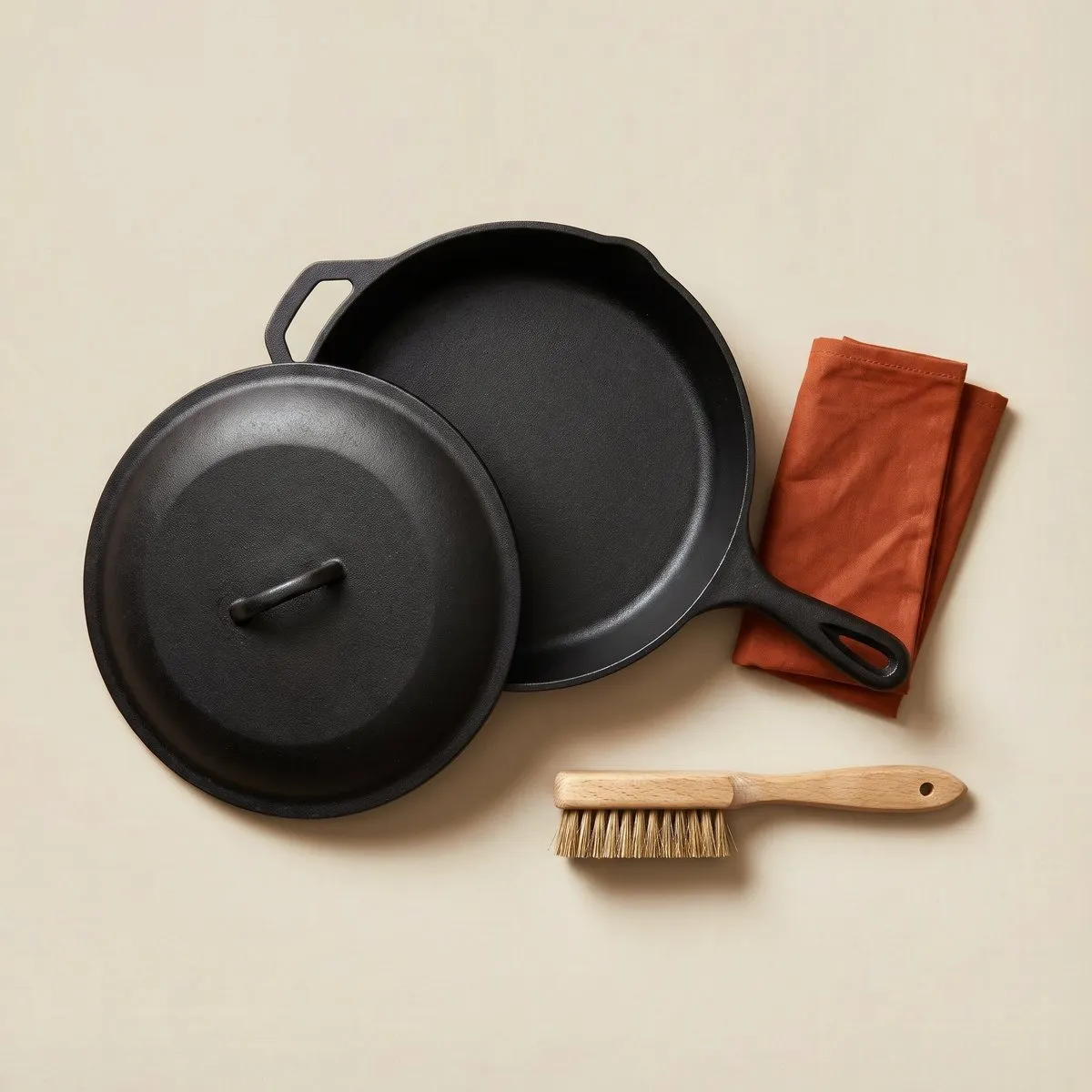
The rough casting goes to a machining cell where the rim and the cooking surface are turned flat. This is the step that gives a Halden pan its smooth base and its flat, even rim. A lid will sit properly only if the rim is true, so each pan is checked against a straight edge before it moves on.
The outside is left with a light cast texture. We do not polish it away. It helps the pan grip a cloth when it is hot, and it is a record of how the pan was made. Each casting carries small marks from the sand. No two are identical.
Three coats of oil
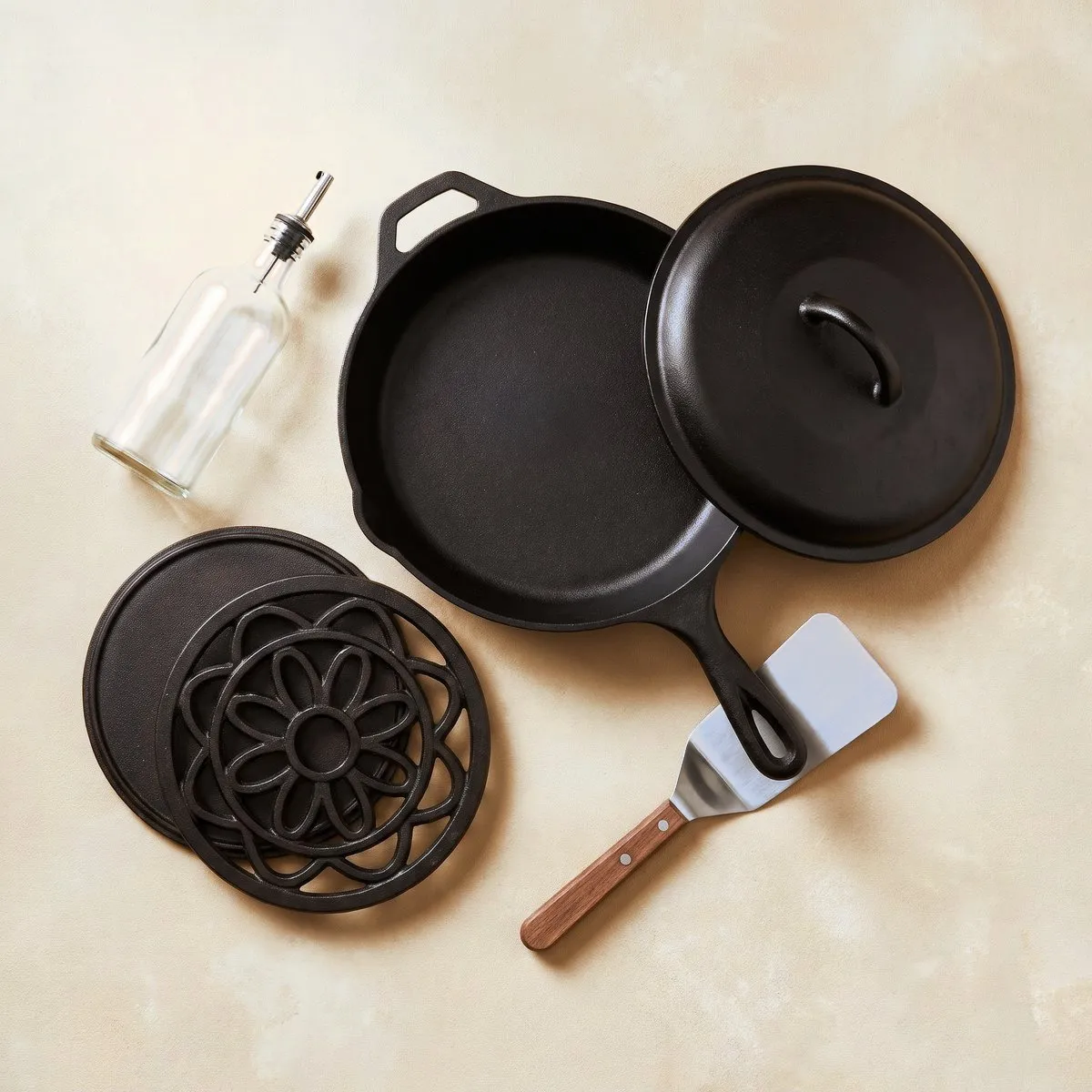
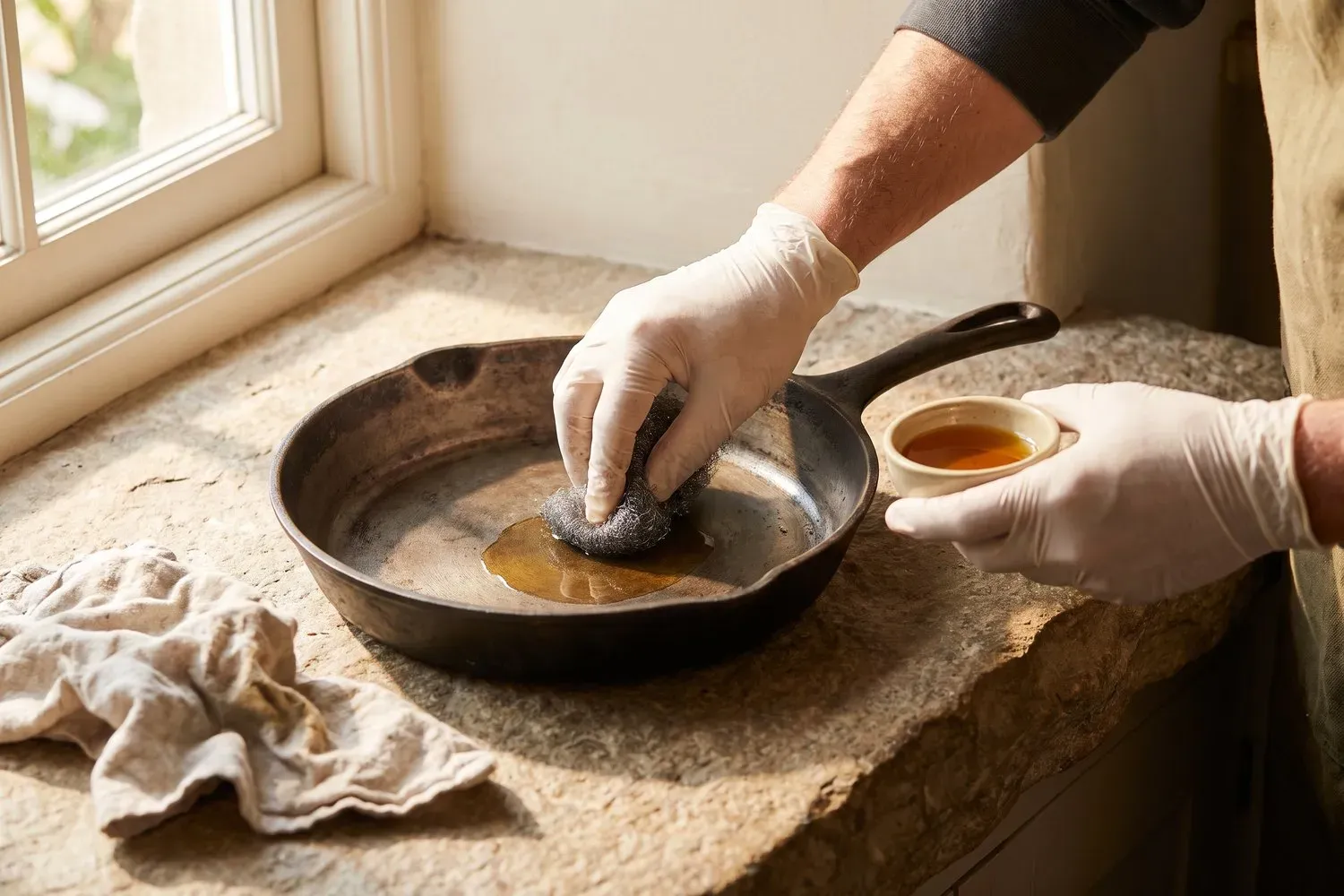
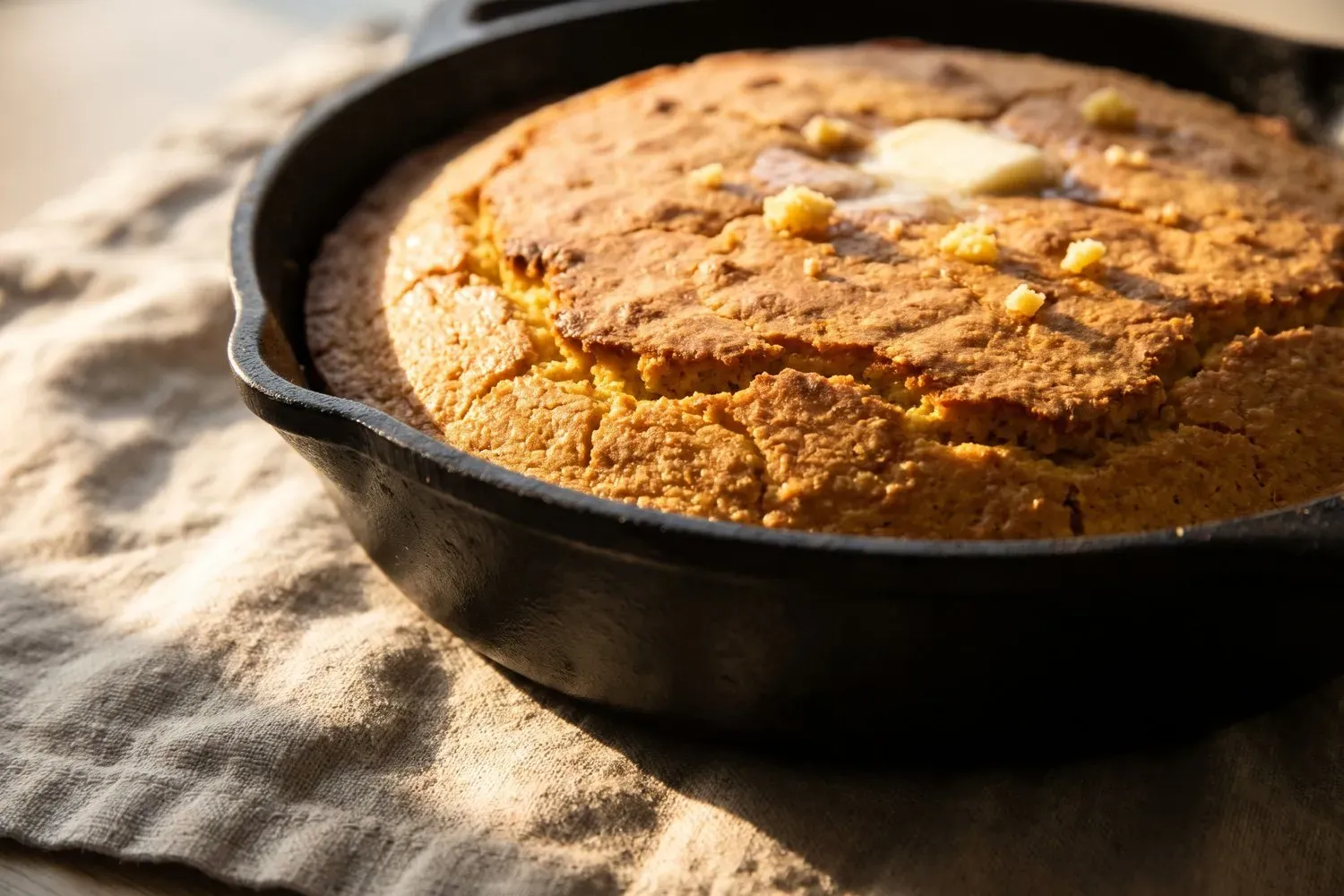
Before packing, every pan is washed, dried and seasoned three times with rapeseed oil. The oil is wiped on in a thin film and baked on between coats. The result is a dark, even surface that is ready for cooking on the first day. It is not a permanent coating, and it will change with use, but it gives the pan a head start.
At the workshop at Lea Brook Works, six people check the pans, fit the lids and pack them in recycled card with paper padding.
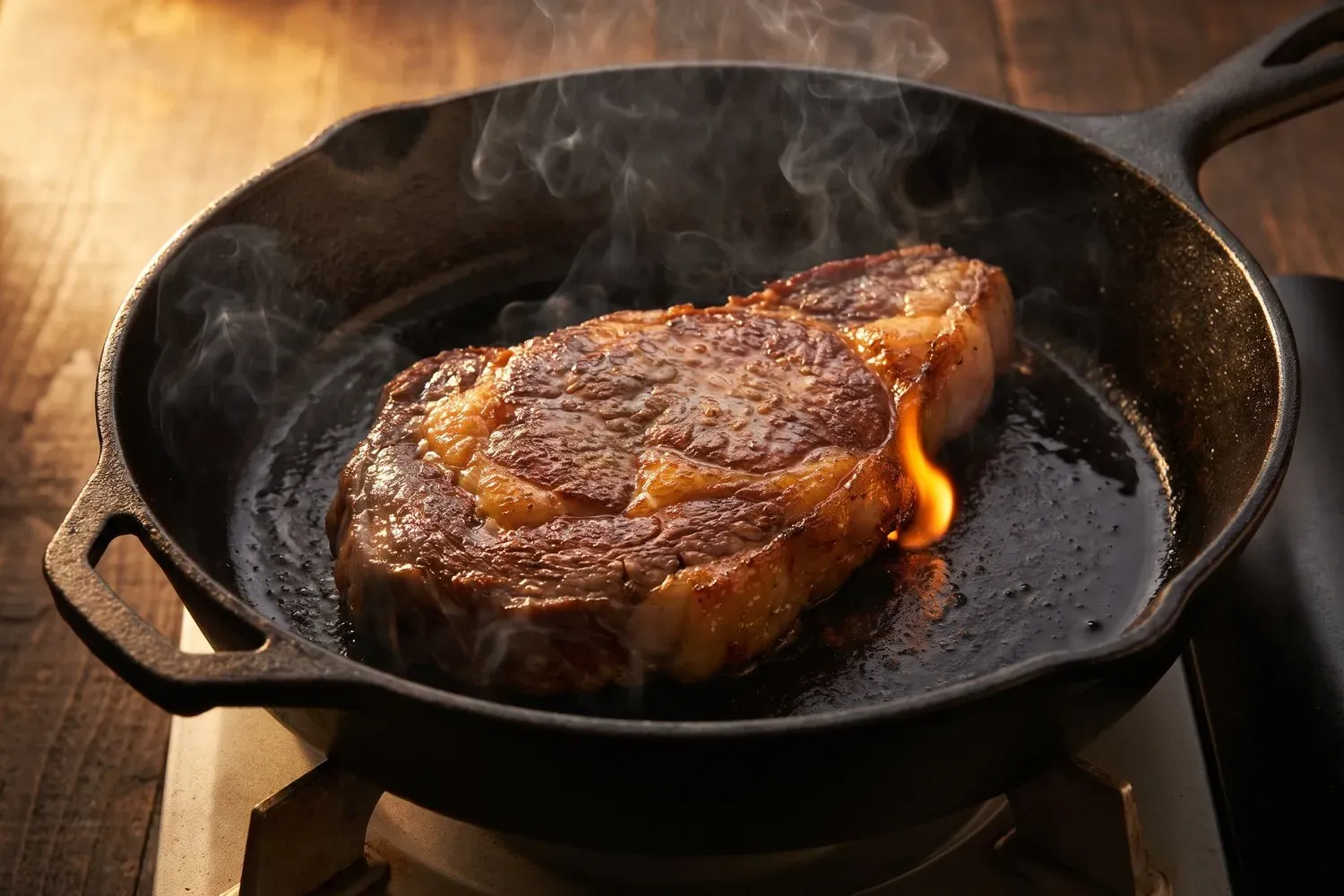
Pans are heavy, and we do not pretend otherwise. A 26 cm pan weighs 2.4 kg. That weight is why it holds heat so steadily on the hob. It is also why we ask you to lift it with two hands and to dry it properly after every wash. Look after it and it will keep cooking for a long time.